

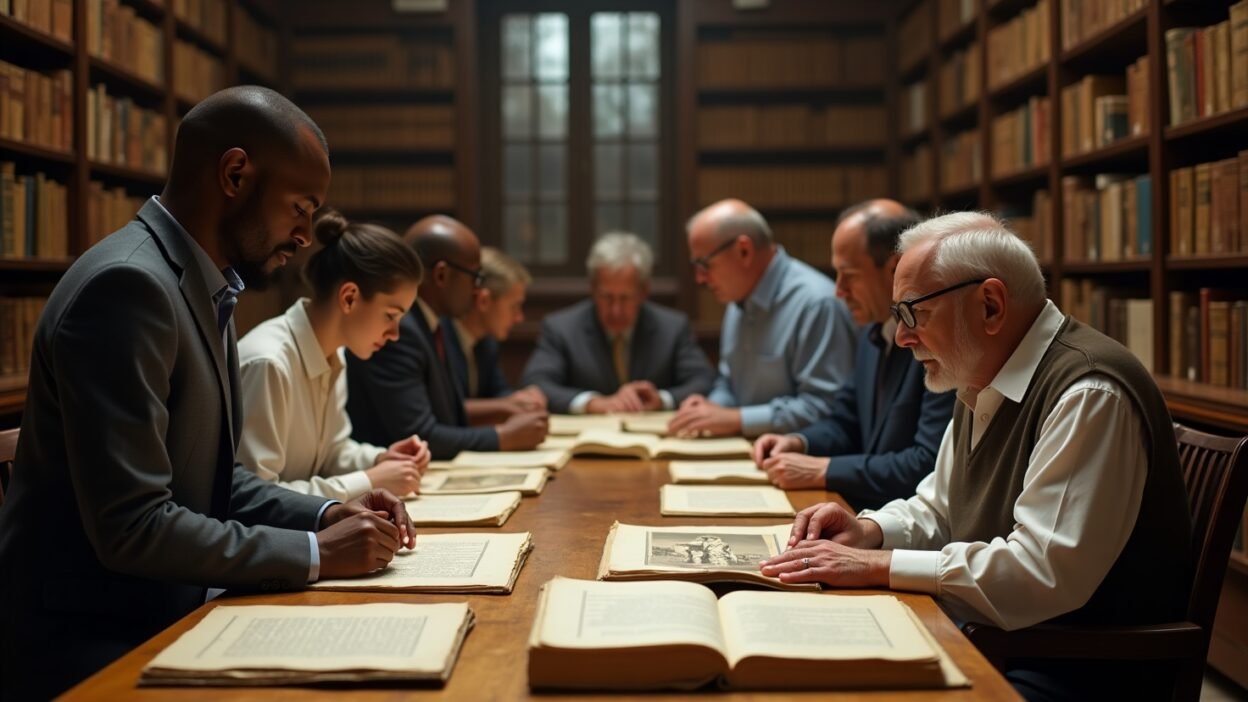
AI in Document Preservation
Introduction
In a world where information is both abundant and fragile, the intersection of AI in Document Preservation stands as a pivotal frontier in safeguarding our collective knowledge. The realm of historical archives holds mysteries and insights that are integral to understanding our past and shaping our future. In this reflective piece, we explore how AI technology is chiseling away at the monumental task of preserving history, offering innovative solutions and addressing critical concerns along the way.
Background
The quest to preserve knowledge is as old as civilization itself. The Library of Alexandria, one of the most iconic repositories of antiquity, was a beacon of human achievement and scholarship. Its tragic destruction reminds us of the impermanence of physical storage and the dire consequences for cultural heritage. Historical archives serve as time capsules, preserving the essence of our civilization, culture, and shared experiences. The importance of safeguarding these legacies has never been more pronounced, as we transition from tangible to digital forms of knowledge preservation.
Current Trends
With the dawn of the digital age, AI technology has emerged as a powerful ally in the fight to preserve our history. From scanning and automatizing the classification of documents to creating intelligent archiving systems, AI is transforming how we approach document preservation. Machine learning algorithms and natural language processing have enhanced the ability to categorize and maintain vast collections of data, ensuring accessibility and integrity.
However, these advancements in knowledge preservation also come with challenges. The rapid pace of digitalization presents a paradox: while increasing the availability of information, it also illuminates the risks of losing data due to obsolete file formats and server vulnerabilities. As highlighted in a related article on encyclopedias, while encyclopedias and similar compendiums have historically served to shape our understanding, their digital counterparts may not yet offer the same permanence.
Insights from Existing Solutions
Current solutions offer both hope and caution. On one hand, the digitization of encyclopedias and archives represents a significant leap forward. These digital platforms make historical documents more accessible than ever. However, as emphasized by Anthony Watson, the digitalization process opens the door to potential loss of crucial information due to the transient nature of online content. This concern echoes the need for a balanced approach that safeguards against digital decay while leveraging the benefits of AI.
For instance, consider AI as a metaphorical librarian who catalogs and monitors the library’s contents with precision, alerting when a shelf (or server) becomes vulnerable. This proactive surveillance preserves the integrity of our knowledge base while mitigating digital risks.
Future Forecast for AI in Document Preservation
Looking forward, the integration of ethical AI into document preservation promises a future where integrity and accessibility are prioritized. As AI becomes more sophisticated, there is potential for developing advanced tools and methodologies. These could include AI-driven predictive models that foresee possible threats to data integrity, blockchain-based storage solutions ensuring immutability, and collaborative platforms for global archives.
Such advancements may eventually bring to life a modern-day Library of Alexandria—a digital haven where historical archives are not only preserved but also synthesized in ways that provide actionable insights into our human experience.
Call to Action
In the age of AI, the preservation of historical knowledge is a collective responsibility. It is imperative that we engage in ongoing dialogue about the importance of these efforts and actively contribute to initiatives that foster effective preservation practices. Join the conversation, share your insights, and support technological advancements that ensure our histories remain as indelible as the lessons they teach.
As we stand on the precipice of a new era in knowledge preservation, consider the impact of our actions today on future generations. The pages of our collective story, both physical and digital, depend on it.