

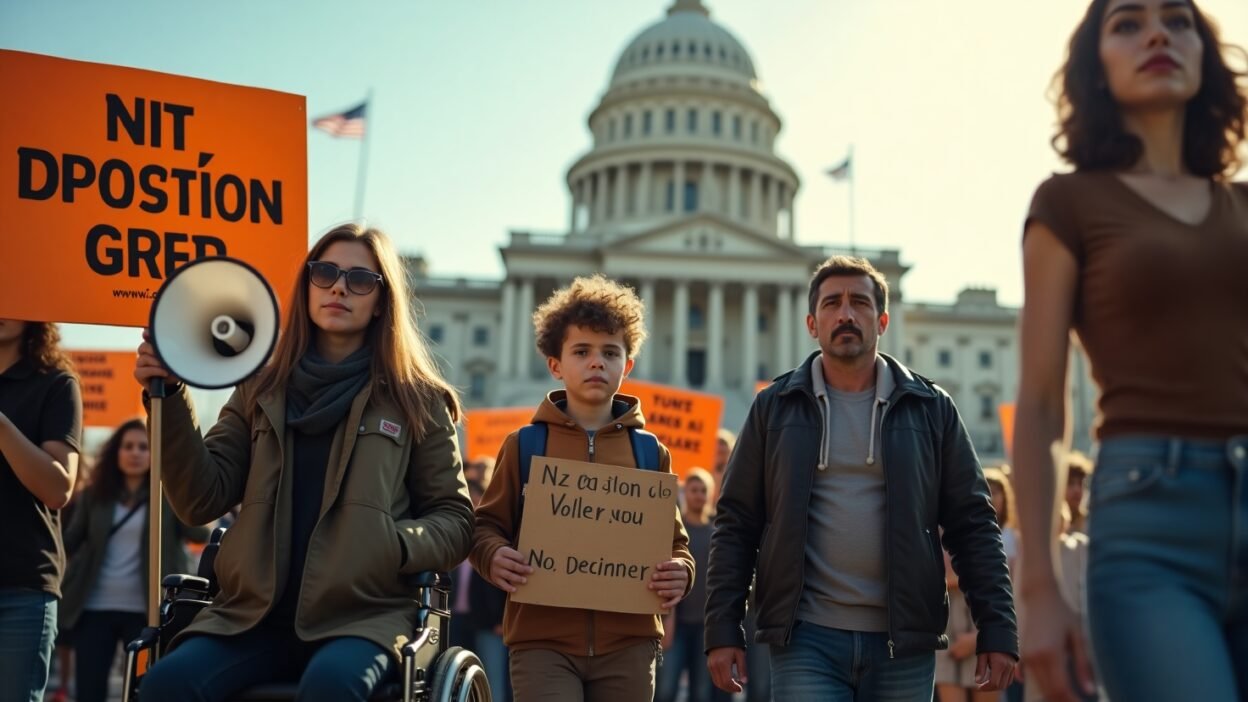
Unpacking AI Protests: The Intersection of Technology, Activism, and Policy
Introduction
In recent years, the fraternity of technology and activism has matured into a powerful force, not in hushed shadows but beneath the glaring spotlight of public scrutiny. This confluence found a compelling arena in the fervent phenomenon of AI protests. AI protests have emerged from mere whispers of dissent to orchestrated rallies, echoing the streets against defining deals like the US-UK AI collaboration. This post embarks on an exploration of the indelible impact that AI has on societal contours, traced through the impassioned lens of activism.
Background
The US-UK AI Deal
The much-debated US-UK AI deal marked a tectonic shift in international technology collaboration, attracting colossal investments from tech behemoths such as Nvidia and Microsoft, reported to amount to up to $45 billion (source). Yet, amidst the excitement, controversy trails in its wake. The deal has stirred public consternation over glaring opacity and ominous environmental implications. Akin to \”a Trojan horse wrapped in silicone and circuit boards,\” critics assert that while this deal promises technological advances, it stealthily encroaches on environmental sanctities without sufficient public oversight. The question persists—at what hidden cost does this deal proceed?
Historical Context of Protests
Political activism, a force that has historically swayed the tide of technology policies, finds recurrent themes. Whether it was the Luddite rebellions against automated looms or modern resistance against invasive digital surveillance, technology policy has often clashed with societal ideals. Demonstrations against data privacy breaches exemplify this timeless milieu where tech intersects protest—a bridge the modern AI protests now tread.
Trend
Rise of Environmental Activism in Tech
Environmental activism has transformed from a niche concern to a crescendoing symphony within the tech industry. In recent protests in London, the vigor was palpable as activists eschewed the superficial allure of President Trump’s AI deal, callously neglecting the environment (source). These protests demand a critical re-evaluation of the ecological footprint AI innovations might stamp on our planet. Like the fentanyl addict craving its next fix, the tech industry often succumbs to rapid growth at Mother Earth’s expense—begging a pertinent conundrum: Are we to blindly march forward, or reflect and recalibrate?
Technology Policy as a Catalyst for Activism
From the lines of code to the front lines of protest, technology policy has acted as a potent catalyst for civil action. Public unease about policy decisions surrounding AI, perceived to be shrouded in enigma and dictated by clandestine powers, has ignited a wildfire of activism. Today’s AI protests symbolize a broader protest culture opposing not just the technology, but an opaque global power structure manipulating it.
Insight
Voices of Activism
\”We have not seen the text of the deal,\” exclaims Nick Dearden (source), underscoring a clarion call for transparency that resonates across both sides of the Atlantic. Dearden’s poignant lamentation captures a profound disquiet about accountability, echoing societal grievances that cut across boundaries of class and geography. His assertions illuminate activism’s role as the informal watchdog in this unfolding epic.
The Role of Protest Leaders
Figures like Keir Starmer lend not only their voice but their stature, orchestrating public dialogue on AI and technology policy. By entwining themselves with these movements, leaders like Starmer galvanize public consciousness, wielding their influence both as social fulcrums and as amplifiers of public sentiment. They are the megaphones voicing the mute masses’ demands for equitable transparency and ethical guardianship in AI advancement.
Forecast
Future of AI Regulations
The future of AI regulations beckons with uncertain allure. Would it embrace stringent oversight, or will it falter under corporate imperatives? Protests may yet carve the roadmap for policies that reflect a balanced symbiosis between innovation and societal good. Could we witness a paradigm shift where technology serves humanity—not vice versa?
Sustaining Activism
The likelihood of sustained political and environmental activism—akin to a relentless tide—remains high, intensifying as AI irrevocably permeates all societal dimensions. As technology entwines further into the fabric of daily life, anticipate the emergence and evolution of activist movements, advocating for a world where technology policy is not enacted in ivory towers but within public fora.
Call to Action
In conclusion, remain astute and engaged with AI developments to champion transparency and ecological consciousness in major tech deals. The onus is patrons of information to delve into dialogues about technology policy. After all, the future of humanity cohabits in tandem with the technology it wields—let us steward it wisely.